Kidnapped, convicted, and fighting for control of a $30 billion empire
In September 1997, while Hong Kong was still adjusting to its handover to China, a gang of kidnappers snatched Walter Kwok — chairman of Sun Hung Kai Properties, the largest real estate developer in Asia — and held him for seven days. The ransom demand was HK$600 million, roughly $77 million. The abductor, a notorious Hong Kong gangster named Cheung Tze-keung, was eventually caught, tried in mainland China, and executed in 1998. Walter came home. The family closed ranks. And for a few years at least, the whole terrifying episode looked like the worst thing that would ever happen to the Kwoks.
It wasn't close.
The empire Kwok Tak-seng built
Sun Hung Kai Properties started as a construction firm in 1963, the brainchild of Kwok Tak-seng, a Shanghai-born entrepreneur who arrived in Hong Kong with ambition and timing on his side. The city was building. He built with it. By the time he died in 1990, SHKP was one of Asia's largest property companies, and the skyline of Hong Kong bore his fingerprints on tower after tower.
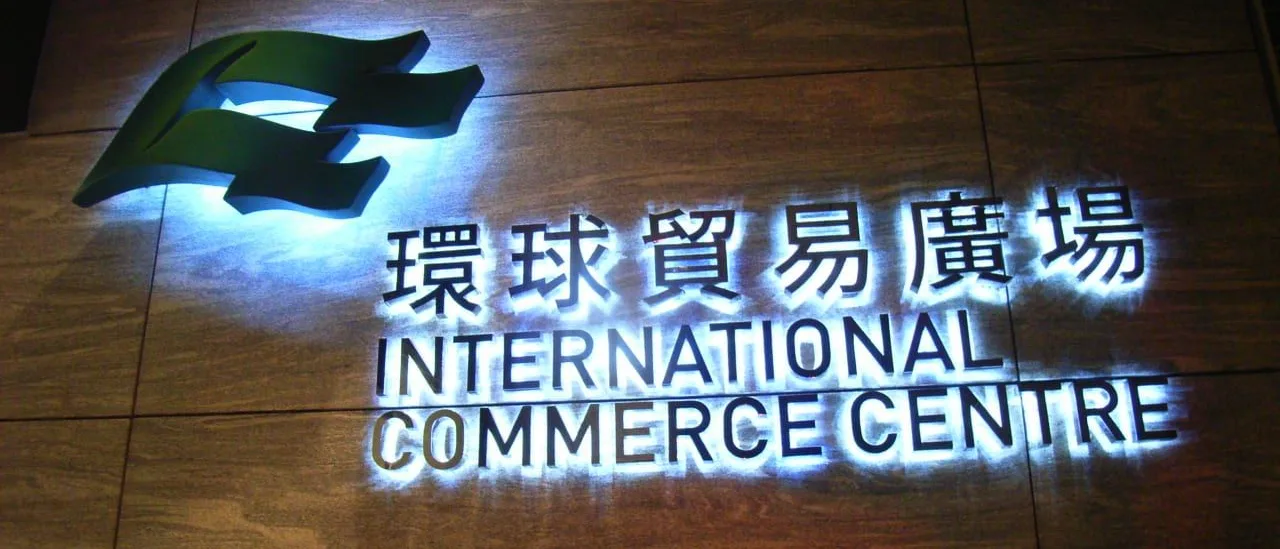
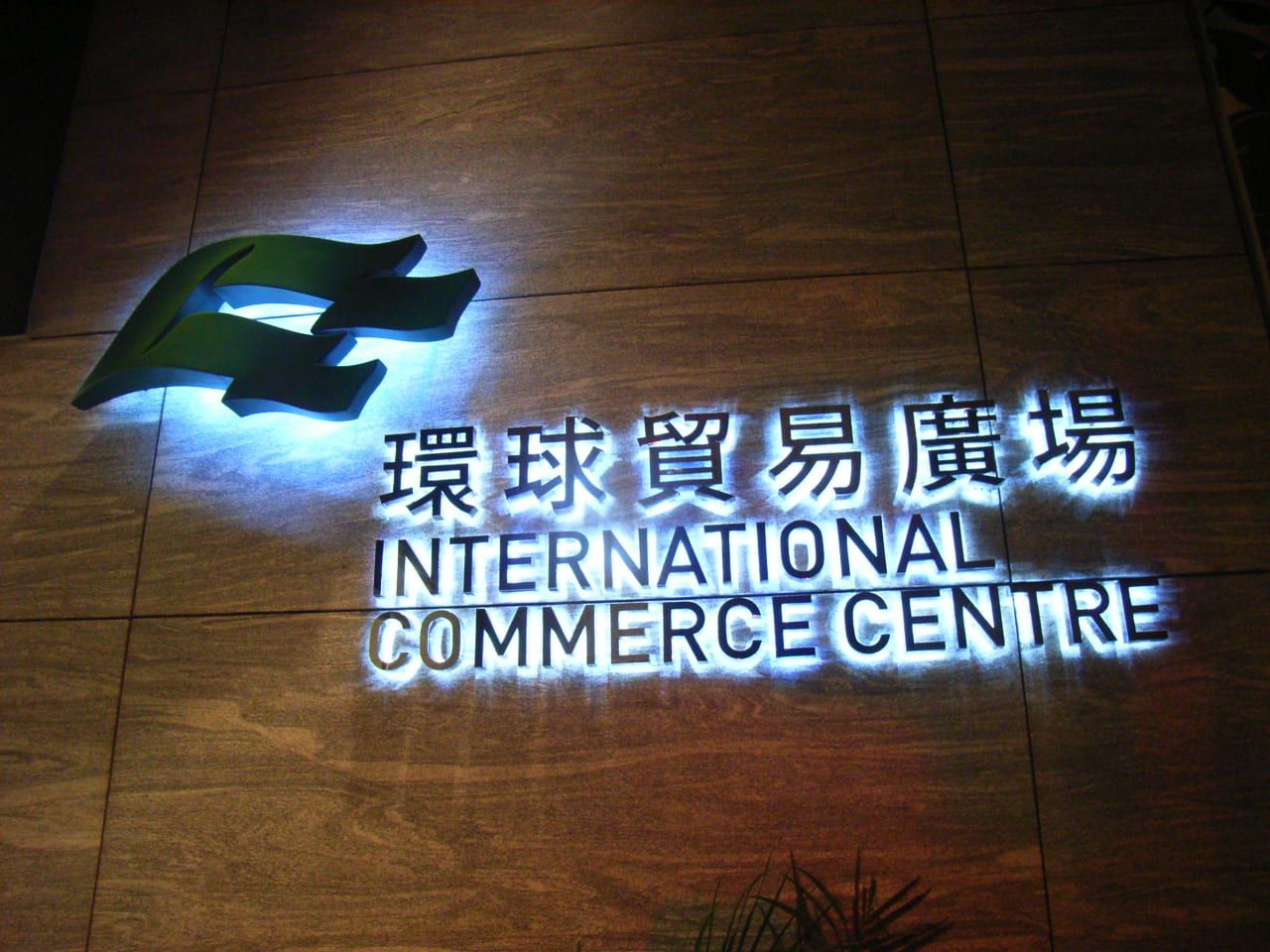
His three sons — Walter, Thomas, and Raymond — inherited the keys. What they built from there was extraordinary: the International Commerce Centre, Hong Kong's tallest building, rising 108 storeys over West Kowloon; luxury residential developments across the city; a commercial portfolio that made the Kwok family the second-richest family in Asia at their peak, worth north of $30 billion combined. Walter, the eldest, served as chairman. Thomas and Raymond worked alongside him.
For a while, it held.
The girlfriend problem
The trouble, when it came, arrived through a side door. Walter's personal life had become — by the accounts of his brothers and the SHKP board — a problem for the company. A former girlfriend, Ida Tong, had become a persistent presence in the business, reportedly influencing decisions and steering the company away from the conservative development model that had made the Kwoks their fortune. Thomas and Raymond watched this and grew alarmed.
Their response was not a quiet family conversation. They sent letters — to their mother and to the SHKP board of directors — alleging that Walter's bipolar disorder made him unfit to serve as chairman. Walter's answer was a defamation lawsuit against his own brothers. The company, and the family, had entered open warfare.
In February 2008, SHKP announced that Walter was taking a "leave of absence for personal reasons." The phrase was corporate-speak for something messier. By May 2008, he was formally removed as chairman. Their mother, Kwong Siu-hing, stepped in as chairperson — a widow, now the fulcrum holding the family name together while her sons tore each other apart.
Walter didn't go quietly. He alleged that his family had effectively placed him under house arrest. He began building a competing property business, a direct challenge to the empire his father had built. The separation was complete.
The arrest that shook Hong Kong
Thomas and Raymond had outmaneuvered their brother. Now came the reckoning for what had happened on their watch.
In 2012, both were arrested on bribery charges. The case centred on Rafael Hui, Hong Kong's former Chief Secretary — one of the city's most senior civil servants. Prosecutors alleged that between 2005 and 2007, Thomas had paid Hui approximately $3.7 million as part of a corrupt arrangement to gain business advantages for SHKP. It was the highest-profile corruption prosecution in Hong Kong in a generation.
The trial was the kind of spectacle that makes the city remember why it once had a reputation for institutional integrity. For Thomas and Raymond, two of the most powerful men in one of Asia's most important financial centres, it was catastrophic.
In December 2014, Thomas Kwok was convicted of conspiracy to commit misconduct in public office. He was sentenced to five years in prison and fined $500,000. His appeals failed. He was returned to Stanley Prison in June 2017. He walked free in March 2019 — four and a half years after a jury had decided he'd corrupted a government minister while running Asia's biggest property empire.
Raymond was acquitted.
The resolution that came too late for Walter
The family had been bleeding for years before the courts weighed in. Somewhere around 2014 — the same year Thomas was convicted — Walter and his brothers reached what the family publicly described as an "amicable agreement." The terms were quiet but significant: Walter's family received equal entitlement to shares in SHKP as his brothers' families. The competing property business was folded. The house-arrest allegations, the defamation suits, the years of open warfare — all of it was set aside.
Whether it was actually amicable is unknowable. But the feud, legally at least, was over.
Walter Kwok died in 2018 at age 68. He never returned to the chairman's seat at the company his father built. He never led the empire he had spent his career growing. He had been kidnapped by gangsters, ousted by his brothers, and then — by all public accounts — reconciled with them at the end. What he left behind was not a dynasty restored but a next generation waiting to step up.
What the next generation inherits
The story didn't end in 2014. It shifted registers.
Thomas and Raymond's combined net worth was listed at $16.5 billion each in 2018 — a figure that reached $30 billion combined by Forbes' 2024 estimates. Sun Hung Kai Properties remains one of the most powerful real estate companies in Asia, still building, still growing.
And Walter's son, Jonathan Kwok, has quietly emerged as one of Hong Kong's youngest billionaires, inheriting significant SHKP shares under the terms of the amicable agreement that ended his father's battle. The next chapter of the Kwok story is being written by people who watched all of this happen and are presumably determined to do it differently.
What the Kwok saga leaves behind is a document in dysfunction — a $30 billion lesson in what happens when three brothers who co-own everything can't agree on who runs it. One was taken by gangsters and held for a week. One went to prison for bribing a senior government official. One claimed his own family had locked him up. And through it all, their mother held the chair and waited for the dust to settle.
She's the one who came out ahead.
Sources: Wikipedia (Walter Kwok, Thomas Kwok), South China Morning Post, Forbes
Related Stories
The princess, the secret children, and the $2 billion Wahaha battle
When China's most famous beverage billionaire died, his daughter thought the empire was hers. Then three strangers showed up with HSBC account numbers and a $2.1 billion claim.
The Safra Banking War: Son vs. Mother, Brothers, and a $25 Billion Empire
When Alberto Safra walked out of his family's bank to build a rival, his father was heartbroken — and his family was mobilizing. What followed was a multinational legal war over billions, a dying patriarch's disputed will, and a group chat nobody was allowed into.
The Redstone Wars: How Shari Outlasted Her Father and Sold the Empire He Built
Sumner Redstone spent decades trying to keep his daughter away from his media empire. She got it anyway — and then sold every last piece of it for $8 billion. Along the way: a son bought out for $250 million, a companion evicted from a mansion, a CBS CEO fired in disgrace, and Donald Trump walking off with $16 million on his way to the White House.