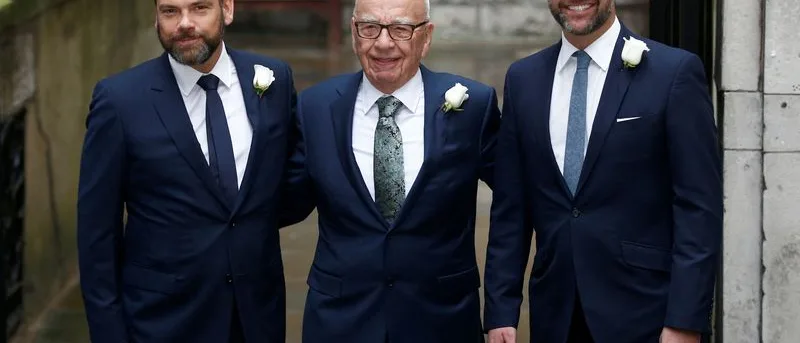
Somewhere in Reno, Nevada, behind sealed doors and redacted filings, a 93-year-old man is trying to rewrite the rules of his own dynasty. The man is Rupert Murdoch. The dynasty controls Fox News, the Wall Street Journal, and The Times of London. And the courtroom fight now underway could determine whether one of the most influential media empires on Earth drifts right, drifts left, or tears itself apart entirely.
This is the Murdoch succession war, and it just got real.
The courtroom nobody is allowed to see
If you were hoping for a dramatic public showdown, bad news. Last week, Nevada judge David Hardy ruled against a petition by several media companies seeking to unseal the case -- cryptically titled Doe 1 Trust, PR23-00813 -- declaring that the trust, despite being a major shareholder in publicly traded companies, is essentially a private legal arrangement.
So most of the arguments will happen offscreen. Some details have already leaked, of course. In July, The New York Times obtained documents outlining Rupert Murdoch's plan to alter the terms of an irrevocable family trust. The move -- legally known as "decanting" the trust -- would transfer voting control of Fox Corporation to his eldest son, Lachlan, stripping his other three children, Prudence, James, and Elizabeth, of their decision-making power in one stroke.
Murdoch now has to convince Nevada probate commissioner Edmund Gorman that handing Lachlan the keys without interference from his siblings is essential for preserving the company's commercial value. The stakes stretch far beyond one family's Thanksgiving dinner.
A family split along ideological fault lines
The roots of this fight run back to 2023, when Rupert stepped down as chairman of Fox Corporation and News Corp, passing the leadership to Lachlan. That transition came after the $71 billion sale of 21st Century Fox's entertainment assets to Disney in 2019, a deal that netted each of his four older children $1 billion.
On paper, Lachlan has earned his seat. Under his watch, Fox purchased the streaming service Tubi for $440 million in 2020 and turned down a $2 billion offer for the platform just three years later. More recently, Lachlan announced Venu, a new sports streaming venture in partnership with Disney, Warner Bros. Discovery, and Fox, which he described as "designed entirely for cord-cutters and cord-nevers."
Then there is James. He resigned from the News Corp board in 2020, citing disagreements over editorial content, and has been publicly critical of Fox News for amplifying disinformation about the 2020 U.S. presidential election. He has supported progressive political causes and pivoted to other ventures, including board seats at Tesla and Rebellion Defense.
The divide is not just personal. It is ideological, strategic, and deeply tied to the question of what Fox News actually is. For Rupert, the answer is simple: Fox News' value is inseparable from its right-wing positioning. Shift the politics, and you gut the business. His other children, particularly James, see the network's trajectory -- especially in the wake of the rise and fall and potential resurgence of Donald Trump -- as something far more dangerous than a branding decision.
The money machine that makes the argument for Lachlan
Here is where Rupert's case gets its teeth. Fox News is not just a cable network. It is the dominant force in American cable news, pulling an average of 1.3 million daytime viewers and 2 million during prime time. Its 2022 revenue hit $3 billion -- double CNN's haul and well ahead of MSNBC. That kind of market stranglehold does not happen by accident, and Murdoch's argument boils down to a single, uncomfortable truth: the audience is the asset, and the audience skews right.
Of course, the entire linear TV market is shrinking as viewers cut the cord. Preserving Fox's existing model, built around a dedicated and fiercely loyal conservative audience, becomes the central challenge in a landscape where cable subscriptions are vanishing by the quarter.
Media analyst Robert Thompson frames it neatly: "It's a clever argument. Fox figured out early that they didn't need a massive audience to succeed. With a dedicated base, they've consistently dominated the ratings."
The media family that does not want you watching
There is a thick irony coating this entire proceeding. The Murdoch empire -- built on tabloid journalism, phone-hacking scandals, and an unrelenting push for press access -- is now fighting to keep its own family business sealed from public view. A coalition of media organizations argued that sealing the case "does not pass constitutional muster" and that the outcome could carry wide-ranging implications for the media industry and beyond.
The Murdochs, typically on the other side of transparency fights, united to block access. The same media empire that has paid millions to settle claims of press intrusion is now guarding its own secrets with the intensity of a fortress under siege.
The parallels to Succession, the hit HBO series inspired in part by the Murdochs, are almost too neat. Like the fictional Roy family, the Murdochs are locked in a fight that braids together business strategy, political ideology, and deep personal fracture. But this version has no writers' room, no satisfying finale on the horizon.
As Thompson puts it, "Rupert Murdoch made enough money that his kids could comfortably revolt against him. It takes a lot of privilege to tell Dad to go take a hike."
What happens next
The future of Fox Corporation and News Corp now sits in the hands of a Nevada probate commissioner, a sealed courtroom, and a family whose internal contradictions have finally become impossible to contain. How this ends -- and what it means for the political media landscape that the Murdochs built and reshaped over decades -- is anyone's guess. The only certainty is that whatever happens behind those closed doors in Reno will ripple far beyond them.
Related Stories
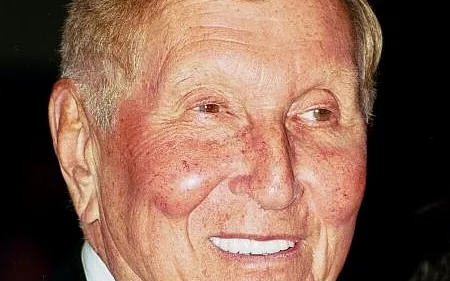
The Redstone Wars: How Shari Outlasted Her Father and Sold the Empire He Built
Sumner Redstone spent decades trying to keep his daughter away from his media empire. She got it anyway — and then sold every last piece of it for $8 billion. Along the way: a son bought out for $250 million, a companion evicted from a mansion, a CBS CEO fired in disgrace, and Donald Trump walking off with $16 million on his way to the White House.
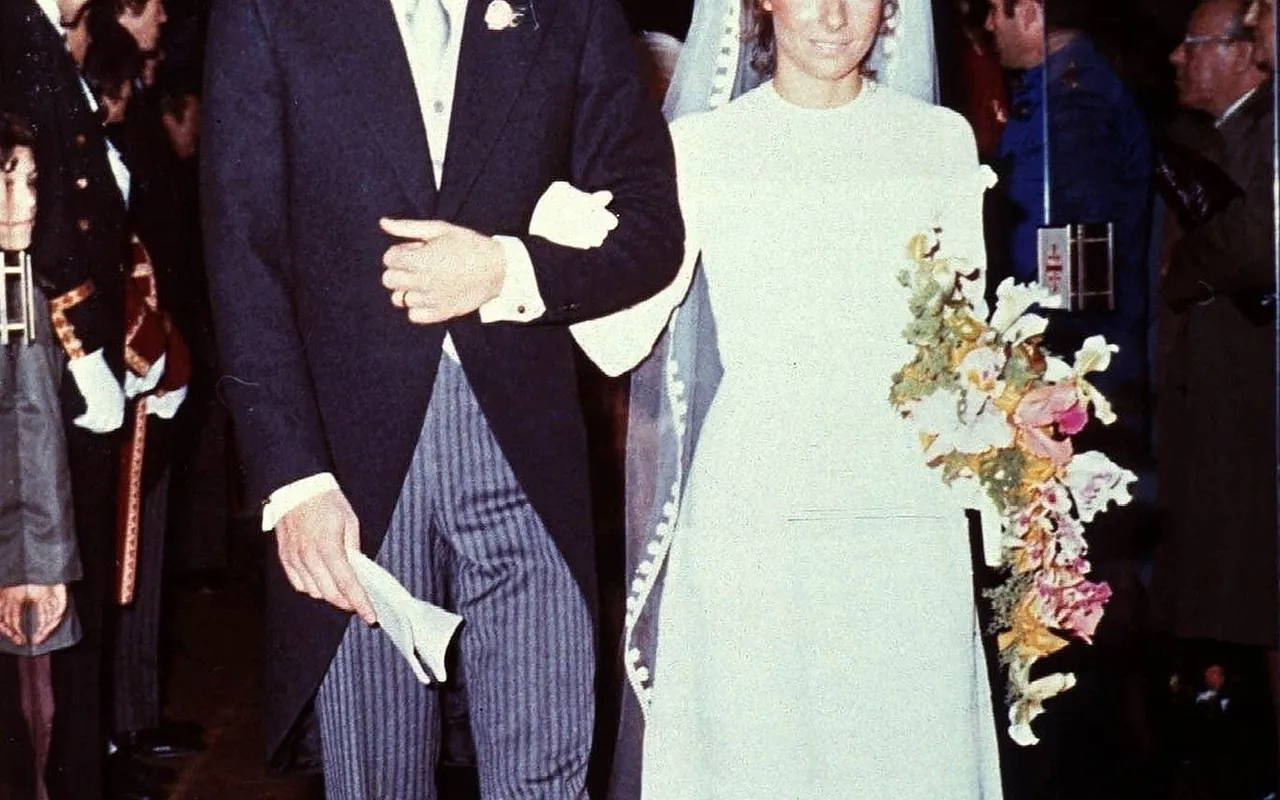
The House of Gucci ran on blood before anyone pulled a trigger
The family that built one of the world's most recognizable luxury brands spent decades tearing each other apart — in courtrooms, boardrooms, and finally, on a Milan street. The murder of Maurizio Gucci in 1995 was the final act of a dynasty that had been killing itself for years.
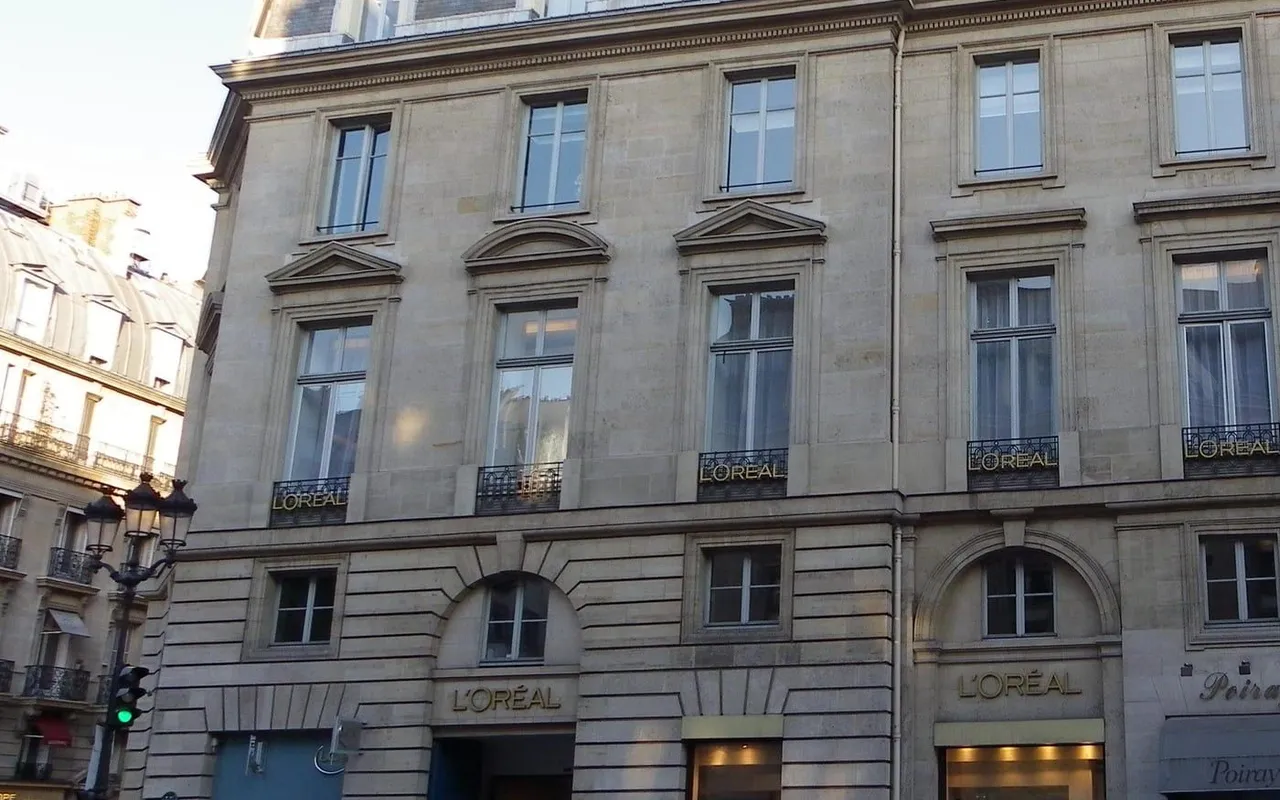
The Woman Who Tried to Save Her Mother from a Billion-Dollar Con
Liliane Bettencourt was the world's richest woman — and she was being drained of a billion dollars by her best friend. Her daughter went to war to stop it, and blew up French politics in the process.